Book a consultation

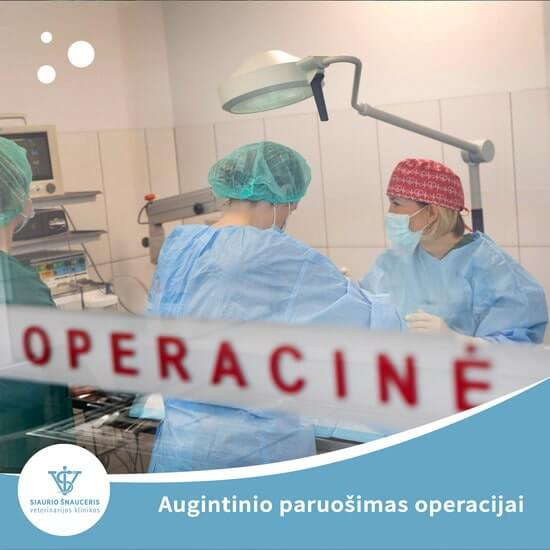
Preparing a pet for surgery
An opinion is often heard among clients that the most important part is a successfully performed surgery, but from our years of experience, we know that proper preparation for surgery constitutes as much as 50% of the operation’s success. We always warn pet owners that every surgery (even a seemingly simple castration) is risky, as it is unknown how the animal’s body will react to anesthetic medications and surgical intervention; therefore, preparation for surgery is, in many cases, vitally important.
Thus, before surgery, after clinically evaluating the animal’s condition, the veterinarian may recommend performing certain tests to ensure a safe course of surgery and a successful outcome. Some of the most important preoperative tests are blood clotting and electrolyte tests. Blood clotting tests show the risk of hemorrhaging or blood clots, while electrolytes show the risk of heart rhythm disturbances. It is a misconception to believe that a young and seemingly healthy animal is a guarantee of a successful surgery. Unfortunately, in our long-term practice, we have encountered sad stories involving young pets as well, solely because blood clotting tests were refused, resulting in the pet bleeding out.
Modern veterinary medicine allows operative risks to be reduced to a minimum, so all that remains is to trust the doctor treating your animal and follow the provided recommendations. It is all for the well-being of your pets!