Book a consultation


Clinic Director Veterinarian Specialization: Ophthalmology, eye surgery
See profileHave questions?

How can we help you?
Treatment of eye diseases in dogs and cats
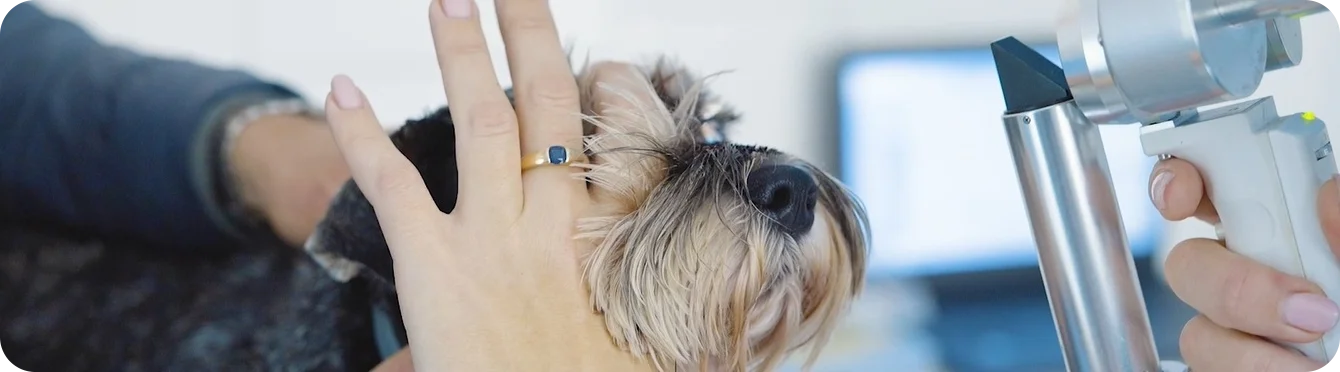
An animal’s eyes are one of the most important sensory organs, as their health affects the animal’s orientation in the environment, coordination, and is therefore indispensable in daily life. It is our duty as owners to take proper care of them and ensure that our pets can enjoy good vision well into old age. Timely preventive examinations and regular check-ups help to prevent insidious eye diseases such as cataracts, glaucoma, and others.
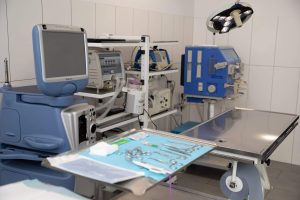
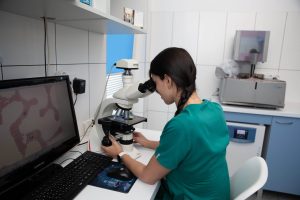
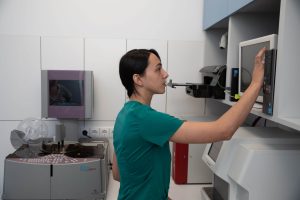
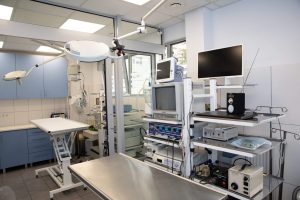
At the animal ophthalmology center “Siaurio Šnauceris,” we have experienced animal ophthalmologists and the latest, most modern equipment for diagnosing and treating eye diseases.
What is it all about?
Cataract surgery for dogs and cats
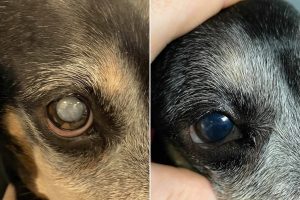
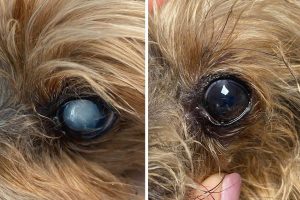
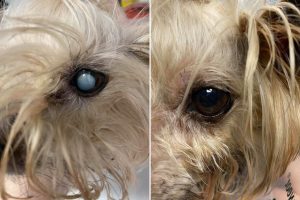
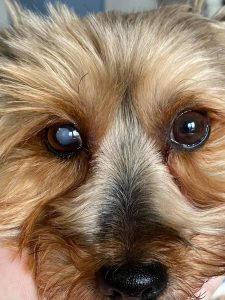
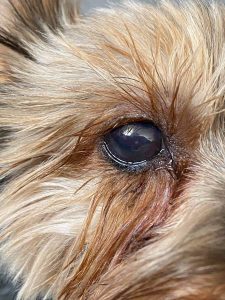
Cataract is a progressive change in the eye’s lens, most often associated with aging, during which the internal masses of the lens become cloudy, impairing the passage of light to the retina and disrupting the animal’s vision. Both cats and dogs can develop cataracts.
The main cause of cataract formation is heredity. It most commonly occurs in toy and small dog breeds (Yorkshire Terriers, Pekingese, Chinese Crested Dogs, Spaniels [King Charles, Cocker, Springer], Miniature Pinschers), but it can also affect the eyes of other dog breeds.
Other causes of cataracts, apart from genetics, may include:
- Other eye diseases (glaucoma, uveitis);
- Endocrine disorders (diabetes);
- Immune disorders (autoimmune diseases, past infectious diseases);
- Trauma;
- Metabolic and internal organ dysfunctions (pancreatic tumors, liver failure);
- Age.
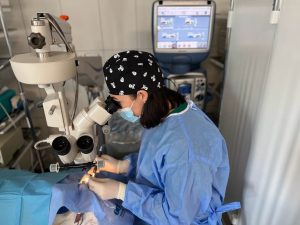
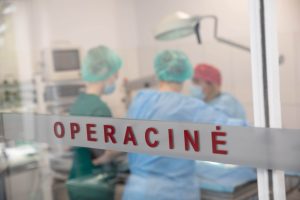
Cataract removal in dogs and cats is performed using the phacoemulsification method. During the procedure, the clouded lens material is broken down with ultrasound into an emulsion consistency and removed through a ~2 mm incision at the edge of the cornea by suction. An artificial lens is then inserted into the remaining lens capsule. The postoperative recovery period lasts about 4 weeks.
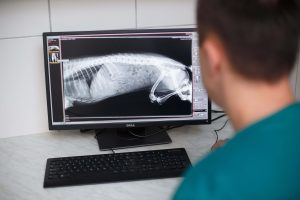
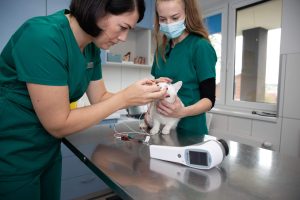
Before applying surgical treatment, a thorough clinical examination of the animal is mandatory to rule out concurrent diseases, provide their treatment, and ensure better and faster postoperative healing.
Unfortunately, cataracts cannot be treated with medication or diet. The only treatment method is surgical operation.