Book a consultation

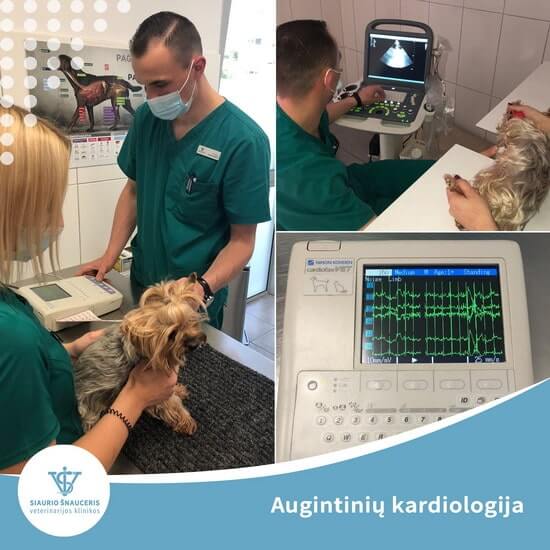
Pet cardiology
Just like in humans, a pet’s heart is one of its most vital organs. It is one of the strongest muscles, tirelessly pumping blood and providing the body with life-sustaining oxygen and nutrients. When heart function is impaired, the body begins to send the following signals:
- shortness of breath or labored breathing;
- coughing (often associated with physical exertion);
- reduced stamina (this is not necessarily just a consequence of old age; it can be a sign of heart disease);
- an enlarged abdomen;
- fainting.
By the age of 8–10, some form of heart issue is often already present. Therefore, we highly recommend annual preventive heart examinations (electrocardiogram, heart ultrasound). These tools allow us to detect disease early, prescribe targeted treatment, and thus significantly extend the pet’s life.