Book a consultation

Mammary Tumors in Pets
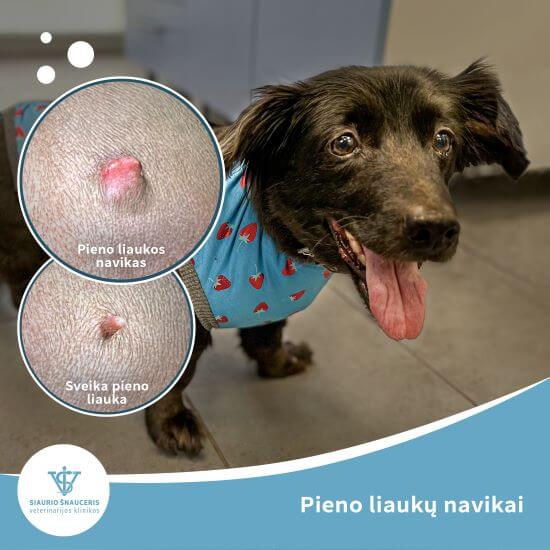
Mammary tumors are an oncological condition frequently found among unspayed female dogs and cats. These tumors vary in size and shape and can be either benign or malignant. The most common types include adenomas (benign), carcinomas (malignant), and adenocarcinomas (malignant). An animal can have both malignant and benign tumors at the same time, and a benign tumor always carries the risk of becoming malignant.
The most common clinical sign of a malignant mammary tumor is one (or more) palpable lumps under the skin of the abdomen. They may be located near or inside a nipple, or extend along the entire mammary chain. The size and appearance of the mass(es) can vary, but they are typically firm and nodular. Occasionally, the skin over the tumor may ulcerate (open up) and bleed, and there may be discharge from the mammary gland.
Metastases of malignant mammary tumors most commonly occur in the lungs. If the lungs are affected, breathing problems or coughing may develop. If the tumor has metastasized (spread to other internal organs), other signs may appear – the pet may feel unwell, eat less, become lethargic, and lose weight.
The condition is diagnosed through a clinical examination, as well as cytology and histology of the mass. Chest X-rays and abdominal ultrasounds help identify cancer metastases. The results of these tests determine the treatment options and the prognosis for the pet.
The most common treatment is surgical, i.e., radical removal of the tumors. After removing the mass, we always recommend a histological examination for an accurate diagnosis. In cases of metastases or high risk, chemotherapy may also be applied.
To avoid or reduce the risk of this oncological disease, we always recommend preventative measures. If you do not intend to breed your pet, we suggest spaying them before the first heat cycle, or at the latest, after the first heat. Spaying can reduce the risk to as low as just a few percent.