Book a consultation

Feline rhinotracheitis
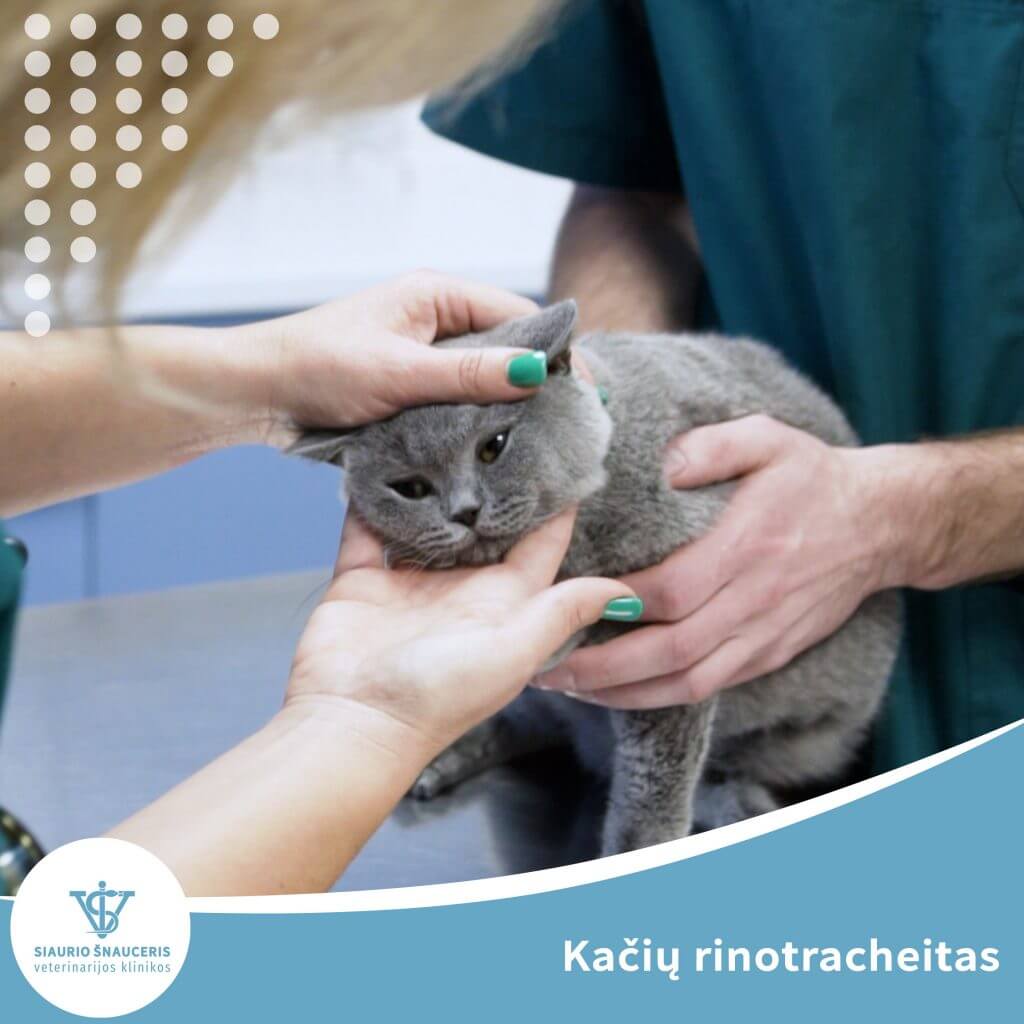
Attention, cat owners! Today we will tell you about a relevant viral disease for cats – rhinotracheitis. How the disease spreads, what the symptoms are, how to protect your pet – more on all of this below. Rhinotracheitis is the most common upper respiratory tract infection in cats, caused by Feline Herpesvirus type 1. It is most prevalent among stray cats, but domestic cats can also contract it. It is particularly dangerous for unvaccinated kittens under 1 year old with weaker immunity and for senior cats.
How does the disease spread? It is very easy to get infected through contact with a sick animal or from contaminated objects. The virus can enter the animal’s body through the mucous membranes of the nose, eyes, or mouth. It is important to mention that if more than one cat lives in the house and symptoms appear in only one of them, the cats must be separated, and of course, you should take the sick one to the veterinarian as soon as possible.
What are the symptoms of the disease? If your pet is sneezing, has crusty eyes, or experience a loss of appetite – these are signs signaling the start of the illness. As the disease progresses, nasal and eye discharge becomes purulent or even bloody; the animal stops eating, develops a fever, and becomes apathetic. If left untreated, the disease can lead to severe complications such as pneumonia, corneal edema, and sometimes corneal ulcers, which affect vision.
How to protect your pet? To avoid this illness, it is essential to vaccinate kittens. The vaccine is comprehensive, also including vaccines against calicivirus, panleukopenia, and rabies. Kittens are vaccinated in two stages: 1) at 8 weeks of age; 2) one month after the first vaccine. This vaccination must be repeated annually, even for cats that stay only indoors, as the virus can very easily be brought in from outside on clothes.
For your convenience, at “Siaurio Šnauceris” veterinary clinics, we have implemented a reminder system that will not let you miss this important visit to the veterinarian!