Book a consultation

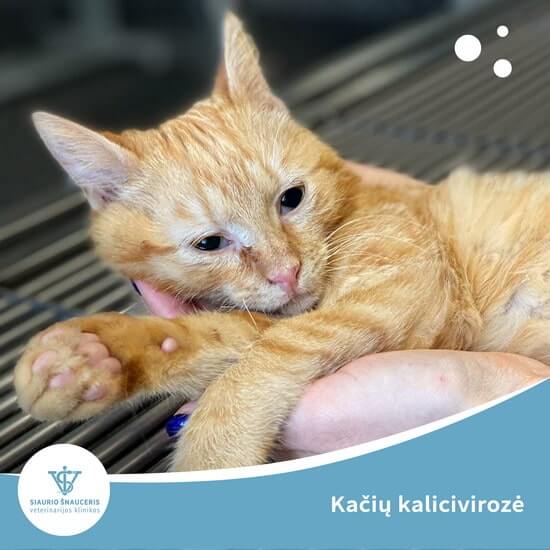
Feline calicivirus
Not only humans but also our beloved pets suffer from various viruses. Today, we will briefly introduce you to feline calicivirus.
Feline calicivirus is caused by the calicivirus, which is highly contagious among unvaccinated cats. It is contracted through contact with an infected animal or from contaminated objects. The virus can enter the animal’s body through the mucous membranes of the nose, eyes, or mouth.
The calicivirus causes an acute illness of the oral cavity and upper respiratory tract, which manifests as sneezing, fever, excessive salivation, nasal discharge, and watery eyes; painful ulcers appear in the mouth (on the tongue, gums, palate), which may cause the cat to refuse food. As the disease progresses, the eye discharge becomes thick, and eye inflammation (conjunctivitis) and other eye diseases begin.
If these symptoms occur, it is necessary to bring the cat to the veterinarian for an examination and the prescription of treatment, which lasts about 2-3 weeks.
To avoid this illness, it is essential to vaccinate kittens. The vaccine is comprehensive, also including vaccines against rhinotracheitis, panleukopenia, and rabies. Kittens are vaccinated in two stages – at 8 weeks of age and one month after the first vaccine. This vaccination must be repeated annually, even for cats that stay only indoors, as the virus can very easily be brought in from outside on clothes.
For your convenience, at “Siaurio Šnauceris” veterinary clinics, we have implemented a reminder system that will not let you miss this important visit to the veterinarian.