Book a consultation

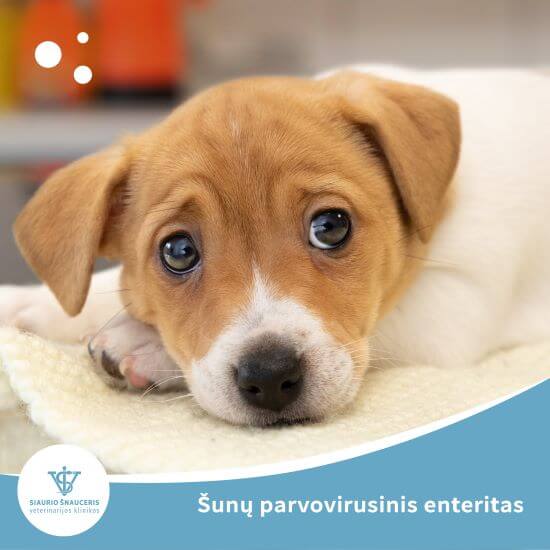
Canine parvovirus enteritis
Parvovirus enteritis is likely familiar to many dog owners, as it is one of the most dangerous and easily spreading viruses among dogs. The virus spreads via the fecal-oral route through direct contact with an infected animal or through contaminated objects. This virus is extremely resistant to environmental factors – heat, cold, and even disinfectants.
This disease is especially dangerous, potentially resulting in the saddest scenario for small, unvaccinated puppies; however, adult dogs can also contract it, though the disease is much less dangerous for them. It is essential to mention that an adult unvaccinated dog can suffer from parvovirus enteritis without showing any clinical symptoms while still spreading the virus. Additionally, a pregnant female suffering from parvovirus can pass the disease to her unborn puppies, which can lead to sad pregnancy outcomes.
Parvovirus enteritis causes gastrointestinal disorders, so an infected dog suffers from intense diarrhea, vomiting, loss of appetite, high fever, and becomes lethargic and apathetic. All the listed symptoms are very dangerous for small puppies because, without treatment, the animal can quickly become dehydrated and die; therefore, when observing these symptoms, it is necessary to contact a veterinarian as soon as possible.
The only way to protect your pet from this virus is vaccination. The vaccine is comprehensive, including vaccines against rabies, infectious hepatitis, distemper, parainfluenza, and leptospirosis. Puppies are vaccinated in 2 stages – at approximately 8-9 weeks of age and according to the veterinarian’s individual recommendations, but no earlier than the 12th week. This vaccination must be repeated annually.
It is important to note that unvaccinated puppies should not have contact with other dogs until the full vaccination schedule is completed.
For your convenience, at “Siaurio Šnauceris” veterinary clinics, we have implemented a reminder system that will not let you miss this important visit!