Book a consultation

Pet oral hygiene
A pet’s tooth and gum health is vital to its overall health. Dogs and cats use their mouths for everything: eating, playing, exploring, and even self-defense. When an animal experiences discomfort due to dental diseases, it can damage not only its health but also its quality of life.
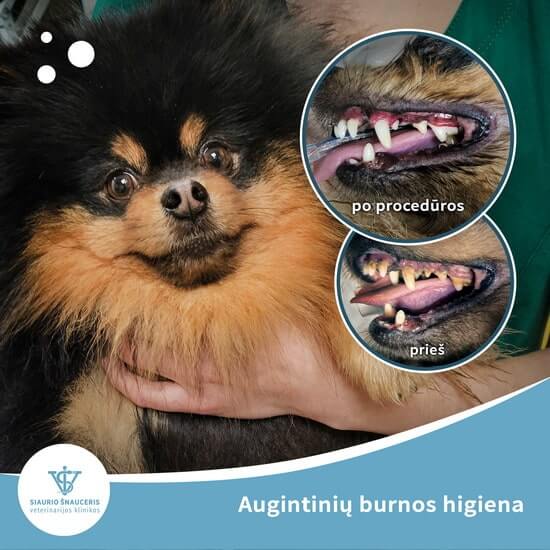
Dental diseases in cats and dogs develop very similarly to those in humans. Plaque and tartar, which contain bacteria, accumulate on the pet’s teeth. Over time, bacteria cause bad breath, discoloration, and inflammation. In cases of severe periodontitis, when periodontal tissues begin to decay, bacteria can spread through the blood throughout the entire body and damage the kidneys, liver, and heart. More than 80% of dogs (especially small breeds) and cats older than 3 years already require regular veterinary dental care.
It’s time to visit the vet if your pet shows any of these signs:
- unusually bad breath;
- decreased appetite;
- a fallen out or loose tooth;
- teeth covered in yellow-brown tartar;
- bleeding gums;
- unusual chewing, difficulty picking up food;
- painful muzzle area.
Pet oral hygiene is performed under general anesthesia, so it causes absolutely no discomfort to the pet. Plaque and tartar are cleaned using an ultrasonic scaler (just like in human dentistry). After the procedure, the pet can be taken home immediately.
At “Siaurio Šnauceris” veterinary clinics, we strongly emphasize preventive dental care and recommend bringing your pet to the vet at least once a year for a routine gum and tooth check-up, so we can detect and stop dental diseases in time and help your pet maintain a healthy oral cavity for a lifetime.
Is it perhaps time for your pet to have an oral hygiene procedure?
We invite you to register: +370 655 55818.