Book a consultation

Autumn Allergies in Pets
Just like humans, pets can experience a return of allergy symptoms as the weather cools down, even after the blooming season has ended. Although the triggers may differ, the severity of the allergy can be just as intense as in the spring or summer. We all know that tree pollen dominates in the spring and grass pollen in the summer, but do you know which allergens are most prevalent during the colder months?
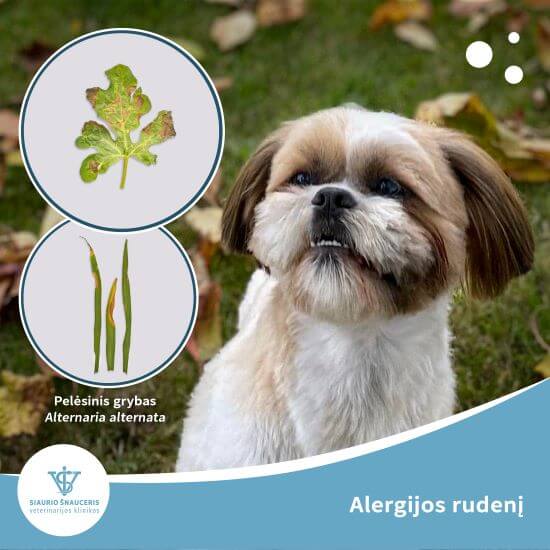
Years of practice show that in autumn, allergies often flare up due to mold and fungi (specifically Alternaria alternata – a common mold fungus). Walking your pet through overgrown, dried grass or among decaying leaves can trigger allergic symptoms such as watery or red eyes, as well as redness around the muzzle, paws, legs, and belly. In some cases, asthma symptoms may also appear.
To avoid these unpleasant issues, we recommend avoiding walks in tall, withered grass; instead, choose areas with short, well-kept lawns. If you notice any of the symptoms mentioned above, we invite you to visit us for a consultation, allergen identification, and a personalized treatment plan.